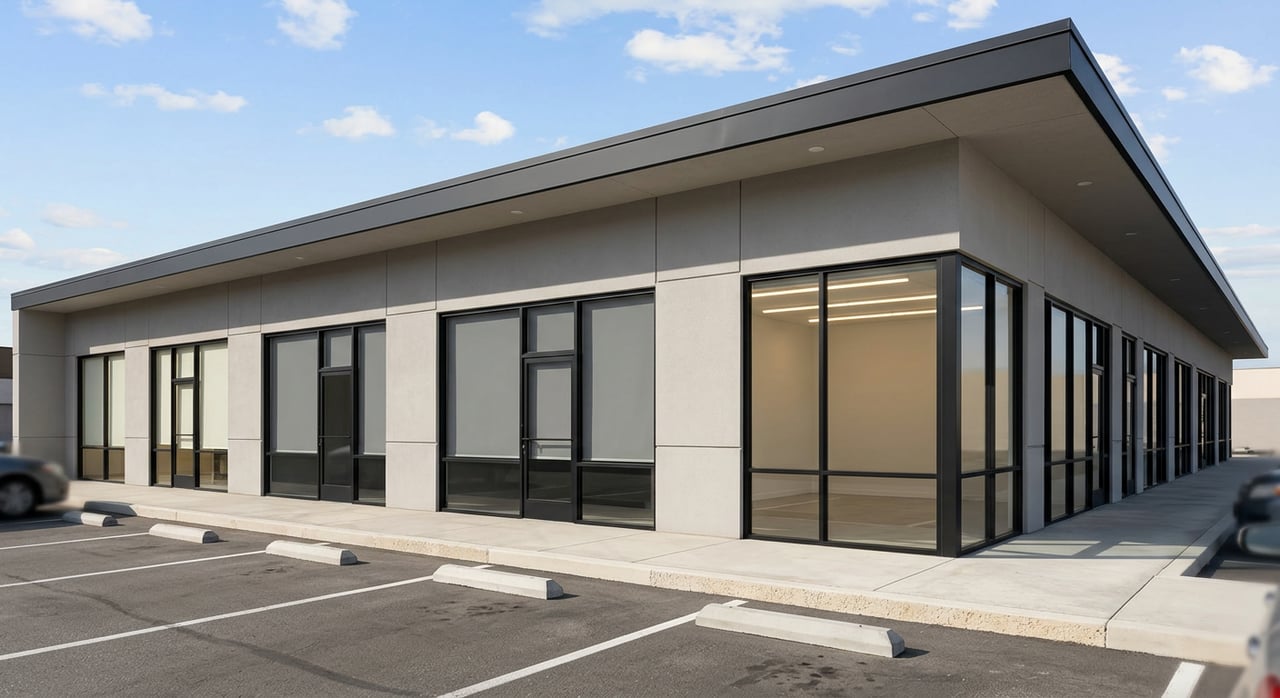
Is your Fort Lauderdale strip center 100 percent leased on paper but underperforming on NOI in practice? You are not alone. With tight vacancy and healthy asking rents across Broward, execution is what separates stable cash flow from lingering rollover risk. In this guide, you will learn how to position your neighborhood strip center, target the right tenants, structure leases that protect value, and run a 90-day, 3–12 month, and 12+ month plan tailored to Fort Lauderdale.
Let’s dive in.
Know the market now
Broward County retail vacancy has been hovering in the high-3 percent range, and countywide asking rents sit in the mid-30s per square foot. Cushman & Wakefield’s Q3 2024 MarketBeat for Broward reported a $35.30 PSF average and lean new supply. A more recent Matthews Q2 2025 Fort Lauderdale update cited vacancy near 3.9 percent with asking rents around $36.31 PSF. Fort Lauderdale’s core submarket often runs even tighter than the county average, so verify your immediate submarket before you price space or underwrite TI.
Demographics and mobility inputs you need
- Pull baseline population, household counts, and median household income from U.S. Census QuickFacts for Broward County. For leasing, gather 1, 3, and 5-mile rings plus daytime population.
- Confirm visibility with Annual Average Daily Traffic from FDOT’s Florida Traffic Online. Use the frontage station and nearest signalized intersection to strengthen your marketing package.
Define your asset and trade area
Accuracy matters. Per ICSC’s standard, neighborhood centers typically range about 30,000 to 125,000 square feet and often include a grocery or daily-needs anchor. Smaller, unanchored strip centers fall below that range. Use the correct label when marketing because tenants and brokers pull comps by center type. See the ICSC U.S. Shopping Center Definition Standard for clarity.
Set your positioning statement
Before you go to market, write a one-paragraph positioning statement that answers:
- What daily problems do you solve for nearby residents or workers?
- Which 2–3 tenant categories are you curating and why?
- What proof points back it up (AADT, household counts, incomes, parking ratios, co-tenancy)?
Build a tenant mix that wins
In Fort Lauderdale, necessity and service-first uses perform well and reduce e-commerce risk. Prioritize these categories and fit them to your trade-area data.
- Grocery or specialty markets. If you can secure a neighborhood grocer or strong specialty market, do it. Grocery anchors bring weekly traffic and investor demand. Cushman & Wakefield’s Broward report notes investor preference for grocery-anchored centers.
- Pharmacy or convenience. Drugstores and local pharmacies offer steady traffic and repeat visits.
- Discount/value retailers. Dollar and value soft-goods chains remain active in constrained-supply markets. Recent reports show ongoing interest across Broward.
- Medical and dental. Clinics, dental groups, urgent care, and physical therapy convert well in storefront locations and can support longer TI amortization. You can see active leasing for medical/dental storefronts in Fort Lauderdale across public listings such as this local search example.
- Quick-service restaurants. QSR with drive-thru or strong curb access boosts daypart traffic. Verify use, parking, and any drive-thru limits under the City’s ULDR before marketing a pad or endcap as drive-thru ready.
- Personal services and fitness studios. Nail, barber, salons, dry-cleaning drop-off, boutique fitness, and experiential pods backfill small bays efficiently.
- Convenience pickup and lockers. Parcel lockers and click-and-collect complement service-heavy rosters and increase repeat visits.
Subdivide or combine bays
Let trade-area demand and yield drive bay strategy. If your 1–3-mile data supports numerous small daily-use operators, consider subdividing a large vacancy into two or three bays to attract services like dental, barbers, or laundromat. Combine bays when a single food operator or fitness studio will deliver stronger rent per square foot with lower downtime. Run a simple yield analysis: projected net rent at stabilized occupancy vs. the cost and time to modify utilities, grease vents, or demising walls.
Structure leases that protect NOI
Choose the right lease form
- Triple Net (NNN). Tenants pay base rent plus their pro-rata share of taxes, insurance, and CAM. This is common with national credit and yields more predictable net cash flow. Review the Cornell Law definition of triple net to align on terms.
- Modified Gross/Gross. You cover some or all operating expenses. This can help convert local operators who need predictable occupancy costs or shorter initial terms.
- Percentage Rent. Useful for restaurants or specialty retailers with variable sales. Use clear reporting standards and audit rights.
Nail CAM and expense pass-throughs
Define CAM categories precisely, outline reconciliation timing, and decide whether to use caps or inflation-based escalators. Clarify admin fees and how you calculate each tenant’s share. Simple, transparent expense language reduces disputes and preserves renewal goodwill.
TI and concessions that convert
Match TI to tenant life cycle. Shorter leases get smaller TI and tighter milestones. Longer core leases can justify larger TI with amortization. Keep free rent short and milestone-based. Consider partial-month rent abatements, stepped increases, reimbursed TI upon completion, and co-op marketing funds for grand opening. Always separate building systems upgrades from tenant-specific buildouts.
Clauses that defend value
- Stagger expirations to avoid single-year rollover spikes.
- Use permissive use clauses that allow service conversions but protect anchors with targeted exclusives.
- Balance co-tenancy requests against your leasing flexibility. Cushman & Wakefield’s Broward MarketBeat captures anchor dynamics and investor expectations.
Your 90-day, 3–12 month, and 12+ month plan
First 90 days: Signal readiness and relaunch
- Tidy the site: parking lot cleanup, restriping, brighter lighting, and quick facade refreshes. Perception shifts fast with visible upgrades.
- Build a clean flyer and media kit: bay sizes, utilities, parking counts, AADT, 1/3/5-mile demographics, and floor plans. Add professional photos.
- Relaunch to brokers and tenants: contact grocery, QSR, and medical brokers directly. Reference current Broward metrics from Cushman & Wakefield and Matthews to frame the opportunity.
Months 3–12: Fill momentum gaps
- Offer flexible starts for locals: shorter initial terms with renewals, stepped rents, or modified gross to reduce friction, then convert to NNN on renewal.
- Run a pop-up program to keep bays active: seasonal shops, kiosks, community markets, and test concepts can add cash flow and create data for permanent deals. For trends and execution ideas, see Storefront’s pop-up insights.
- Targeted recruitment: build lists of franchise developers, DSO/dental groups, urgent care operators, and ethnic grocers. Lead with trade-area data, AADT, and co-tenancy logic.
12+ months: Reposition with intent
If a credible grocer or strong regional anchor is in play, consider an anchor-focused reposition that can compress exit cap rates. Where big-box space lingers, explore adaptive reuse into multi-tenant medical, service clusters, or mixed-use where zoning allows. Broward investor interest favors necessity retail, which aligns with service-forward rosters highlighted in Cushman & Wakefield’s report.
Fort Lauderdale permitting and ULDR checklist
Pull these items early to save time and avoid change orders.
- Zoning and use verification. Confirm permitted uses and whether a Special Use or variance is needed for outdoor seating or a drive-thru under ULDR Section 47-20. Review the code text here: City of Fort Lauderdale ULDR parking and use section.
- Off-street parking. The same ULDR section contains the parking table and rules for shared or joint-use reductions. Verify counts before you sign a food or fitness tenant that increases parking demand.
- Signage. Wall and monument sign standards, locations, and landscape requirements live in Section 47-25.3. Plan improvements to comply with ULDR signage rules.
- Food and health permits. For restaurants, confirm grease hood, ventilation, and plumbing specs. For medical or dental, expect plumbing/equipment plan review.
Exit and cap-rate context to underwrite now
The Broward retail market saw active sales in 2024, including grocery-anchored trades, and an average retail cap rate in the mid-to-high single digits. Cushman & Wakefield’s Q3 2024 Broward recap cited around a 5.9 percent average. Exit value will hinge on your anchor profile, tenant credit, remaining lease term, and staggered expirations. If a grocery anchor is attainable, the long-term payoff can justify near-term TI and time.
Implementation checklist
Use this as your working list before you market space or sign LOIs.
- Verify submarket vacancy and asking rents with current reports from Matthews and Cushman & Wakefield. Quote a range if vendors differ by a small margin.
- Pull AADT for your frontage and nearest signalized intersection from FDOT Florida Traffic Online. Capture station ID and last count year.
- Compile 1/3/5-mile population, households, median household income, and daytime population. Start with Census QuickFacts for Broward and supplement as needed.
- Confirm zoning, permitted uses, parking ratios, and signage allowances using ULDR Section 47-20 and Section 47-25.3.
- Build a short broker packet with photos, floor plans, bay specs, parking counts, AADT, and trade-area highlights. Lead with necessity and service categories tailored to your data.
Put it all together
Fort Lauderdale’s tight vacancy and strong demand reward owners who move quickly, present clean data, and curate necessity-first tenants. If you align tenant mix with 1–3-mile demographics, right-size bays, and use lease structures that pass through expenses cleanly, you will stabilize faster and protect your exit value. When the anchor path is real, lean into it. When it is not, assemble a durable lineup of daily-use services, QSR, medical/dental, and convenience pickups that bring residents back multiple times a week.
If you want a data-backed leasing plan and investor-grade marketing to reach the right operators, connect with Florida Commercial Group. Our team pairs senior-level leasing advisory with SERHANT.’s national marketing platform to help you stabilize, re-tenant, and position your strip center for long-term value.
FAQs
What are current retail vacancy and asking rents in Broward?
- Recent reports show vacancy around the high-3 percent range with asking rents in the mid-$30s PSF, per Cushman & Wakefield (Q3 2024) and Matthews (Q2 2025).
How do I pick the right tenants for a Fort Lauderdale strip center?
- Lead with necessity and service-first uses matched to your 1–3-mile demographics, AADT, and parking ratios, then layer QSR, medical/dental, and value retail.
Can I add a drive-thru to an endcap or pad in Fort Lauderdale?
- Possibly, but confirm permitted use, stacking, and parking under ULDR Section 47-20 and consult the City early to avoid redesigns.
What lease type fits most national tenants in Broward?
- Many credit tenants prefer NNN structures for predictable expenses and operational control, which also improves your net cash flow profile.
How fast can I re-tenant a 2,500–5,000 SF bay to medical or dental?
- Timing depends on TI scope and permitting, but strong local demand exists for storefront medical/dental, which helps shorten downtime when specs align.
Do grocery anchors really improve exit pricing?
- Yes, grocery-anchored centers in Broward attract deeper buyer pools and can trade at tighter cap rates, as reflected in recent market reporting.